
Crossed-Out
- Format
- Static, Video
- Category
- Objection Handling
- Stage
- TOF, MOF
- Requires
- Objections you can actually strike
What is it
Text that has been visibly struck through and corrected in the same frame: excuses crossed off until only the answer is left, or old objections scored out with the fix written next to each one. The strikethrough shows a change of mind rather than claiming one. The reader watches the old belief get edited in front of them, which is the same mental move the ad wants them to make.
What makes it work
Every crossed-out line has to be something the reader has actually said
"Next month." "Too much sugar." "It's for kids." The format works because the viewer recognises their own words under the line. Strike through a strawman nobody holds and there's nothing to overturn.
The line must stay readable underneath
Cross it out, don't black it out. A single clean stroke through the middle keeps the original legible, and that's essential, because the reader has to read the objection before they can enjoy seeing it cancelled. Scribble over it and you've deleted your own hook.
The survivor gets the visual weight
Whatever is left standing (the final word, the answer column, the product) has to look like the conclusion: bigger, uncrossed, a different colour, or set apart by space. The eye should land on the struck lines first and finish on the one that wasn't touched.
Pick one of two structures and don't mix them
Descending excuses: a vertical stack of crossed-out options that narrows to one survivor. Best for procrastination, commitment and "why not now" products. Objection / rebuttal list: each crossed-out objection with its answer written beside it. Best for category myths and products that fix a known complaint. Blend them and the reader can't tell whether to read down or across.
Rebuttals must be specific and short
"<2g sugar" beats "much less sugar." "15–18g per bowl" beats "high protein." The strikethrough promises a correction, and a vague correction reads as a dodge. Numbers wherever you have them.
The stroke style sets the tone
Clean digital strikethrough in the same typeface reads as confident and brand-led. A hand-drawn marker line in a second colour reads as personal and honest, like someone editing their own list. Choose deliberately; the same copy lands very differently in each.
It works as motion too
In video the strikes land one at a time, each with a beat, and the survivor appears last. The format was made for this, and the build gives you a natural 4–6 second hook.
Reference 1 — Descending excuses, type only
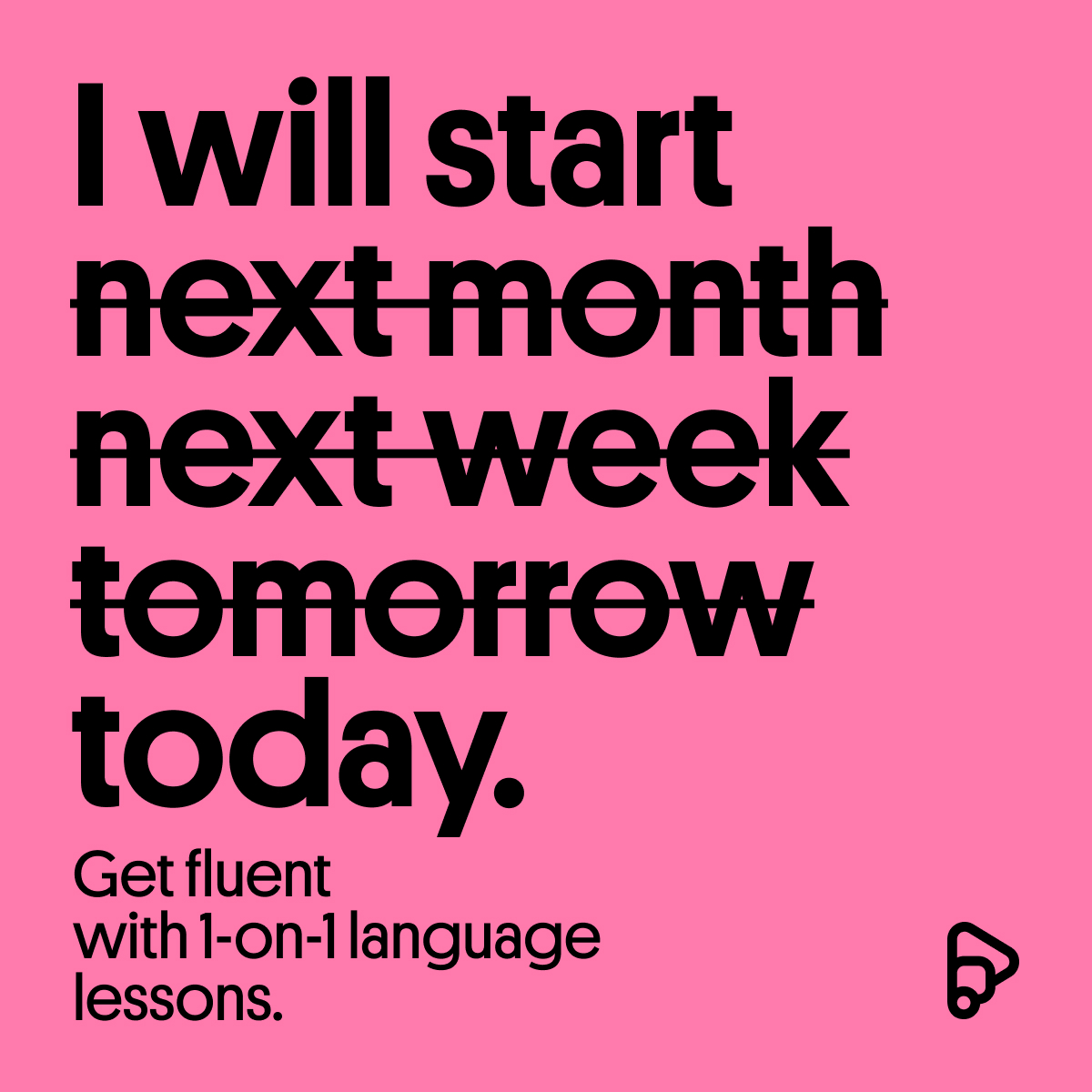
AI Edit Master Prompt
Using the attached image as the layout reference: keep the flat solid bright-colour background with no imagery, and a very large heavy black sans-serif statement set left-aligned and filling most of the frame. The opening line is untouched, followed by three stacked lines each struck through with a single thick horizontal black rule across their full width, then a final untouched line ending in a full stop. Beneath it keep a smaller three-line supporting sentence in regular-weight black sans-serif at the lower left, and a small outline brand icon at the lower right. Set the opening line to "{THE COMMITMENT STATEMENT}", the three struck lines to "{THREE EXCUSES OR DELAYS}", the final line to "{THE ANSWER}", the supporting sentence to "{WHAT YOU OFFER}", and replace the icon with {YOUR LOGO MARK}.Reference 2 — Handwritten objection list with corrections
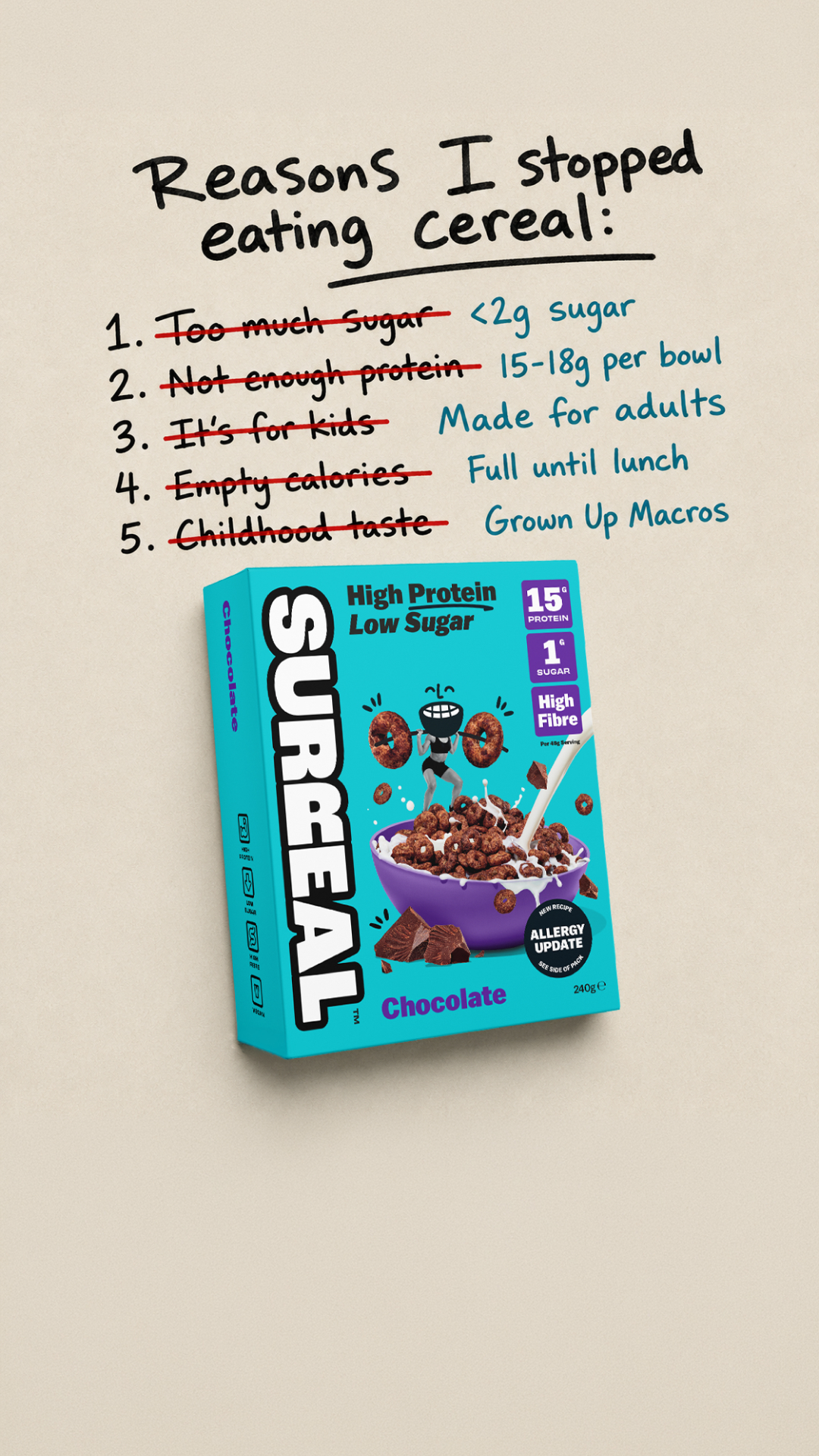
AI Edit Master Prompt
Using the attached image as the layout reference: keep the plain warm off-white paper background, a handwritten headline in black marker across the top on two lines with a hand-drawn underline beneath it, then a numbered list of five handwritten lines in black, each struck through with a single red marker stroke, and beside each one a handwritten correction in a contrasting ink colour, slightly angled and looser as if added later. Keep the product placed below the list, tilted slightly with a soft realistic shadow, as the only photographic element in the frame, and leave open empty space beneath it. Replace the product with {YOUR PRODUCT}. Set the headline to "{THE REASONS-I-QUIT HEADLINE}", the five struck lines to "{FIVE CATEGORY OBJECTIONS}", and the five corrections to "{FIVE MATCHING ANSWERS}".