
Billboard
- Format
- Static, Video
- Category
- Pattern Interrupts
- Stage
- TOF
- Requires
- One line strong enough to stand alone
What is it
The ad placed inside a photograph of the physical world: a billboard over a highway, a poster on a city wall, a parking sign, a road sign, a document open on a monitor. The frame is a real-looking place and the message sits in it as if someone put it up. It borrows the scale and permanence of outdoor media, which reads as "this brand is big enough to buy space." Because it looks like a photo rather than an ad, it gets past the reflex that skips anything that looks designed for the feed.
What makes it work
One line, readable at a glance
Real outdoor copy is written for someone driving past at 80 km/h, and the format only works if yours behaves the same way. Five to eight words, one idea, huge type. If the sign needs a second read, the illusion collapses into an ad pretending to be a billboard.
The world around it has to be boringly real
Sky, trees, a car park, pedestrians in motion blur, a lamp post. The more ordinary the setting, the more the message feels like it genuinely exists. A dramatic, over-styled scene signals "render," and the credibility goes with it.
Match the sign type to the message
Each kind of sign carries its own meaning, and the best versions borrow it. A "Reserved For" parking sign implies exclusivity. A road sign implies an official warning. A billboard implies scale. A plain wall poster implies a confident, quiet brand. Choose the sign whose built-in meaning supports your line.
Perspective and light have to agree
The sign must sit in the scene's actual perspective and catch the same light: shadow direction, sky reflection on the surface, slight keystone from a low camera angle. This is where AI edits most often fail, and a flat sign pasted onto a photo is spotted instantly.
A human element proves it's real
A hand holding the product up against the billboard, people walking past, a car in the lane. One sign of life in the frame turns a mockup into a moment someone photographed.
Small print still counts
Outdoor-style ads often carry the fine print that a real billboard would: eligibility, pricing conditions, "ad, not a real testimonial." Keep it. It adds realism and it's what keeps finance, insurance and health versions runnable.
Don't imply a placement you didn't buy, or a face you didn't sign
A mock billboard is fine; claiming "as seen in Times Square" when it wasn't isn't. The same goes for putting real celebrities or public figures on the board. The borrowed authority is exactly what makes it misleading.
Reference 1
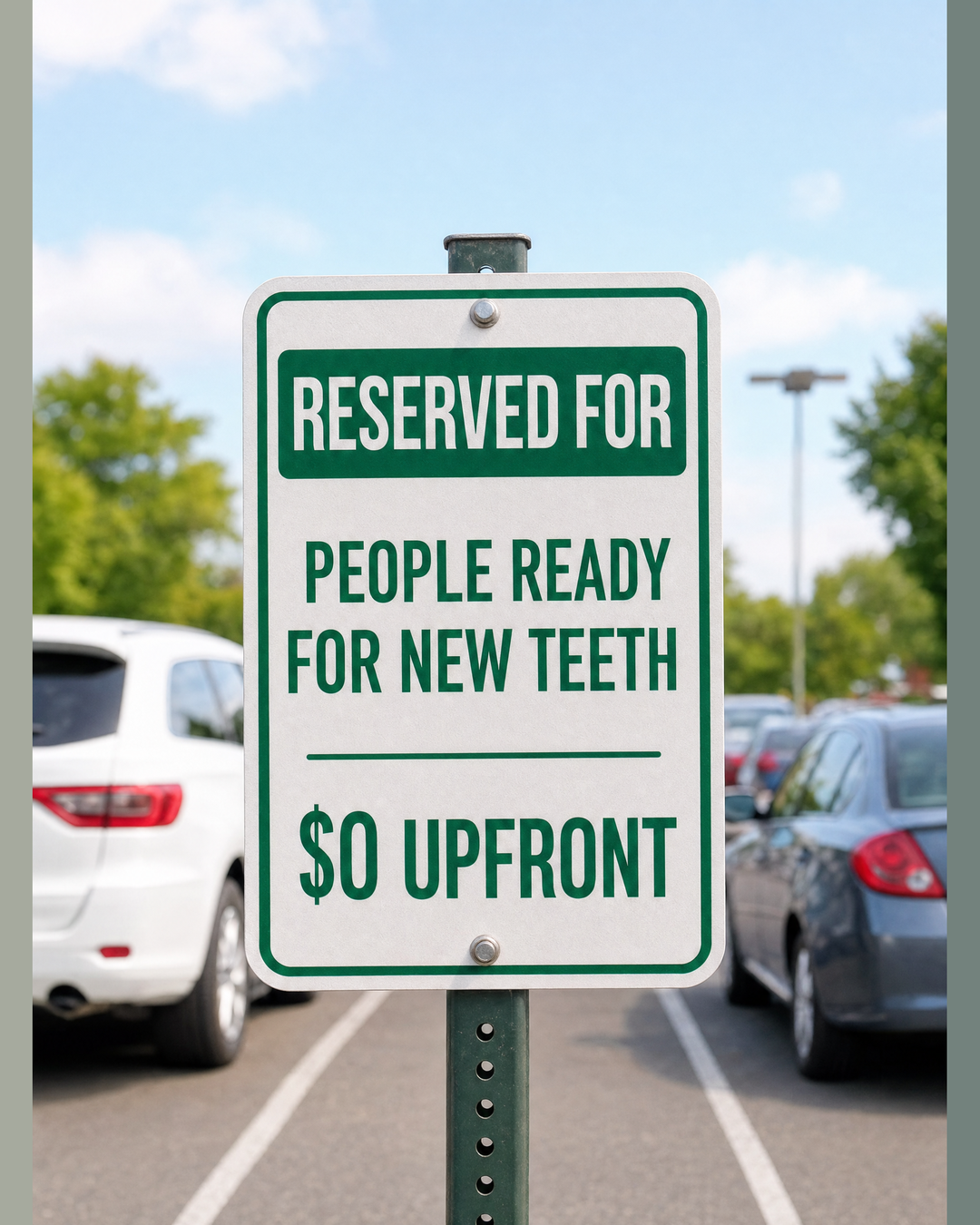
AI Edit Master Prompt
Using the attached image as the layout reference: keep the photograph of a real outdoor car park on a bright day, shot at eye level with shallow depth of field — blurred parked cars on both sides, painted white bay lines on the asphalt, trees and a lamp post in the soft background under a pale blue sky. In the centre keep a rectangular metal parking sign bolted to a perforated green post with two visible bolts, white face with a thin coloured border, a solid coloured header bar with an all-caps white label, two centred all-caps lines in the border colour beneath it, a thin horizontal rule, and a single bold all-caps line at the bottom. Set the header bar to "{THE SIGN LABEL}", the two lines to "{WHO IT'S FOR}", and the bottom line to "{THE OFFER}".Reference 2
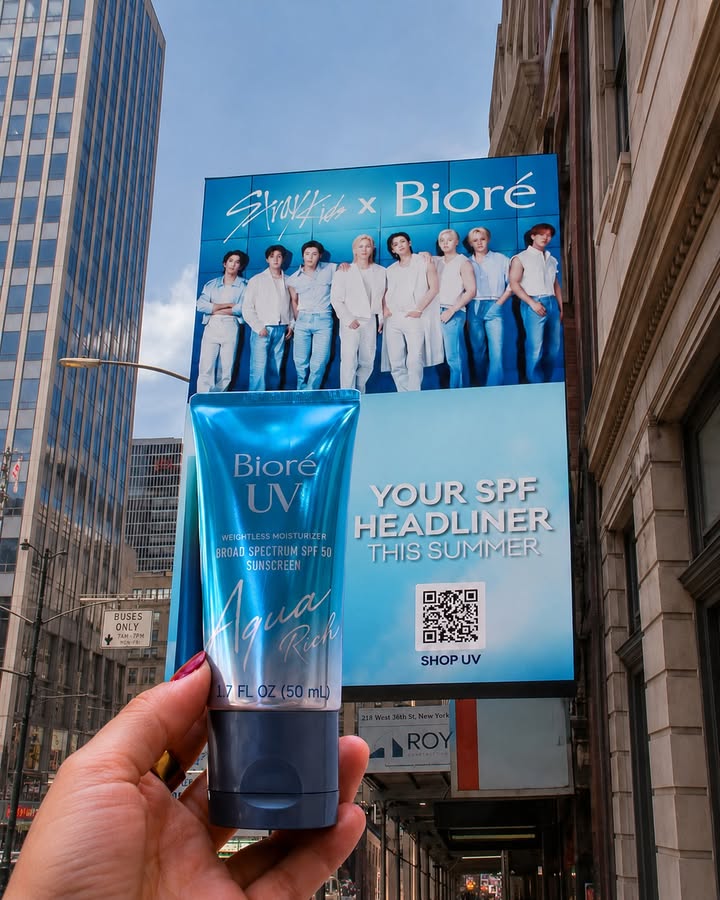
AI Edit Master Prompt
Using the attached image as the layout reference: keep the street-level photograph looking up at a large building-mounted billboard on a city block, with tall buildings, street signs and a bright sky around it, and a real hand in the lower-left foreground holding the product up so it overlaps the lower-left of the billboard, in sharp focus. On the billboard keep a campaign image across the top half, a large all-caps headline on three centred lines in the lower right, and a small QR code with a short label beneath it. Replace the product with {YOUR PRODUCT} and the campaign image with {YOUR CAMPAIGN VISUAL}. Set the headline to "{THE CAMPAIGN LINE}" and the QR label to "{THE CTA}".Reference 3
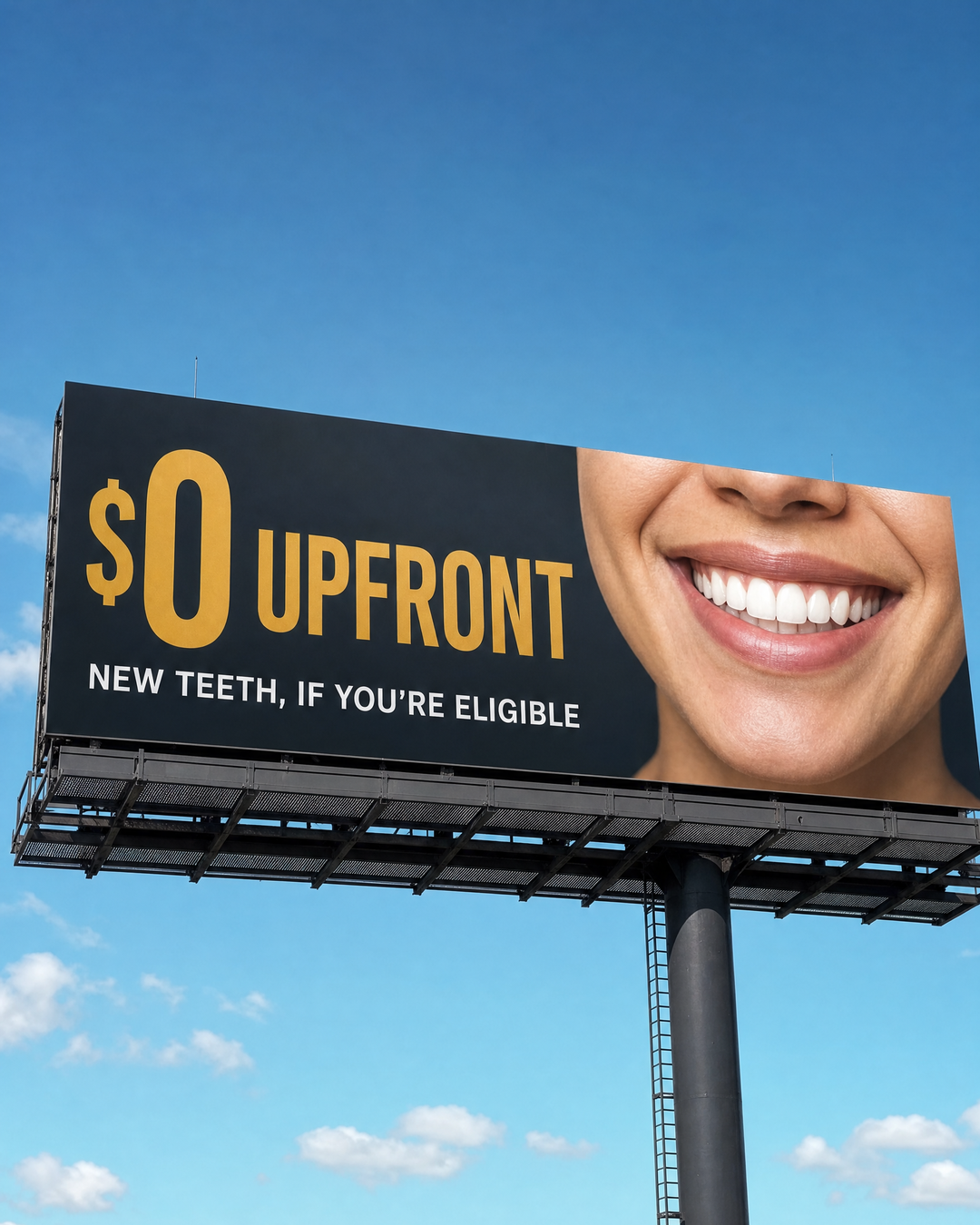
AI Edit Master Prompt
Using the attached image as the layout reference: keep the low-angle photograph of a large roadside billboard on a single steel pole against an open blue sky with a few small clouds, showing the maintenance catwalk and ladder under the board. On the board keep a dark background filling the left two thirds with a huge bold condensed headline in an accent colour on one line and a short all-caps white subline beneath it, and on the right third a tightly cropped close-up image bleeding off the board's edge. Replace the close-up with {YOUR HERO IMAGE}. Set the headline to "{THE BIG OFFER}" and the subline to "{THE QUALIFIER}".Reference 4
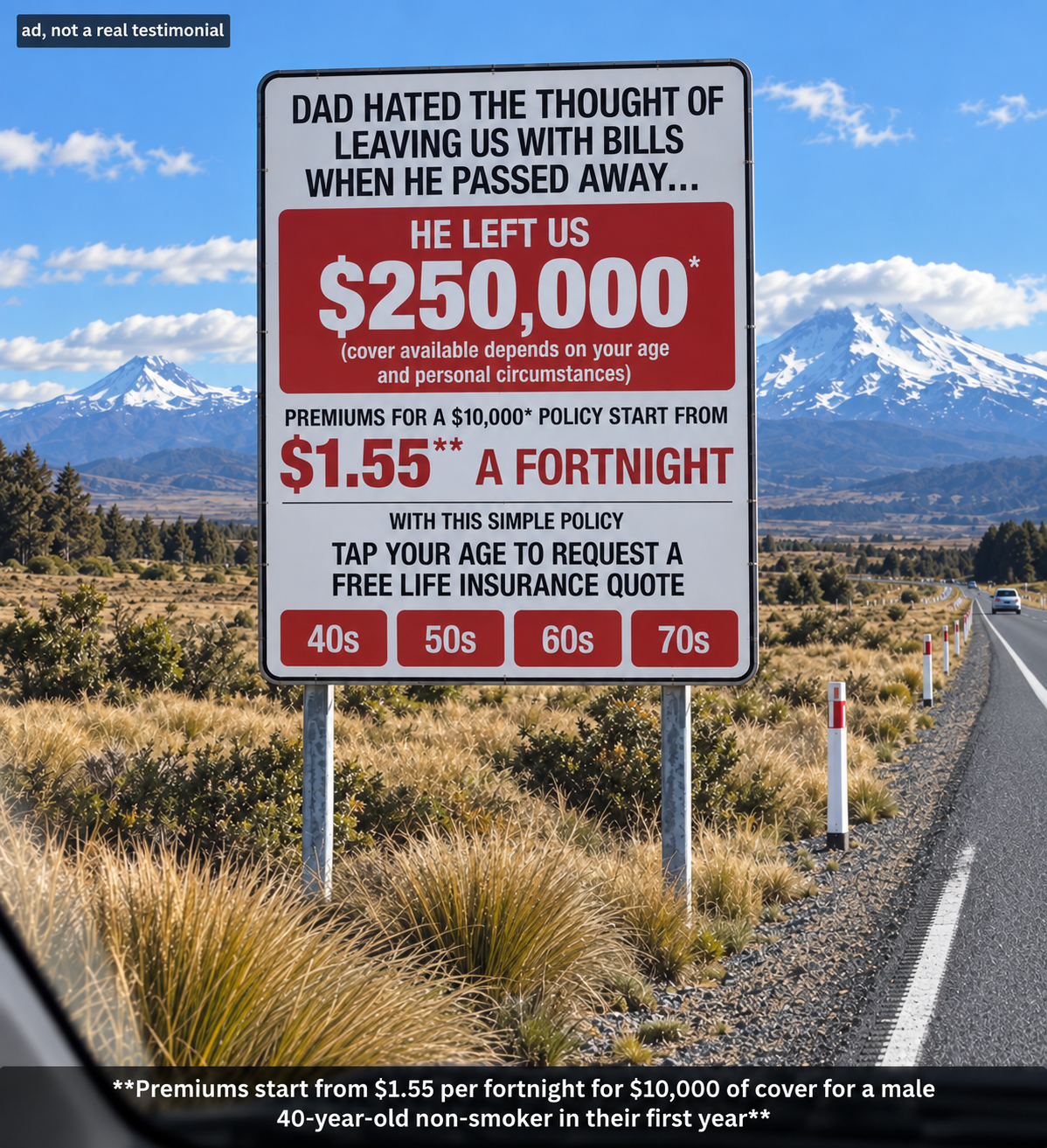
AI Edit Master Prompt
Using the attached image as the layout reference: keep the photograph taken from a car window of a large rectangular roadside sign on two metal posts beside a road, with a scenic landscape behind it — mountains, grassland, a road receding to the right with white-and-red marker posts — and the edge of the car's window frame visible in the lower-left corner. On the sign keep a white face with a dark border: a three-line all-caps story lead-in at the top, a solid coloured panel with a short line, a very large figure with an asterisk and a small qualifying line in brackets, then a bold price line in the accent colour, a thin rule, a two-line instruction, and a row of four coloured selectable buttons along the bottom. Keep a small dark disclosure tag in the top-left corner of the frame and a dark caption bar along the bottom edge. Set the lead-in to "{THE STORY SETUP}", the panel to "{THE OUTCOME}" with "{THE HEADLINE FIGURE}" and "{THE CONDITION}", the price line to "{THE STARTING PRICE}", the instruction to "{THE ACTION}", the four buttons to "{FOUR SEGMENT OPTIONS}", the disclosure tag to "{THE AD DISCLOSURE}", and the caption bar to "{THE FULL PRICING TERMS}".Reference 5
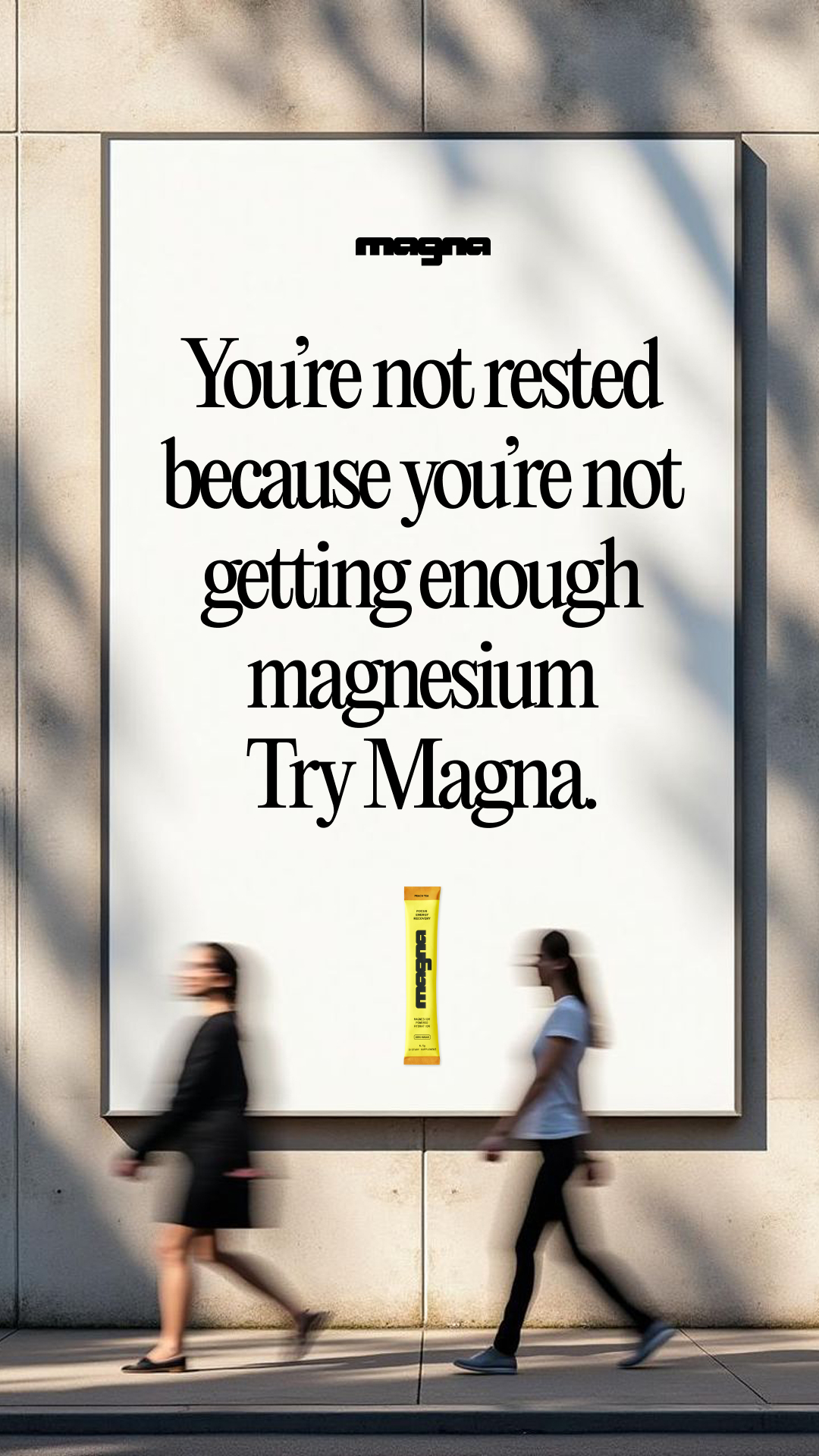
AI Edit Master Prompt
Using the attached image as the layout reference: keep the photograph of a large framed white poster mounted on a pale stone wall, with soft dappled tree shadows falling across wall and poster, and two pedestrians walking past in the foreground with motion blur on a sunlit pavement. On the poster keep a small wordmark centred at the top, a large tightly kerned serif statement on five centred lines in black filling the upper two thirds, and a small product placed alone in the lower centre with generous white space around it. Replace the product with {YOUR PRODUCT}. Set the wordmark to "{YOUR BRAND}" and the statement to "{THE PROBLEM AND ITS CAUSE} {THE SIMPLE ASK}".Reference 6
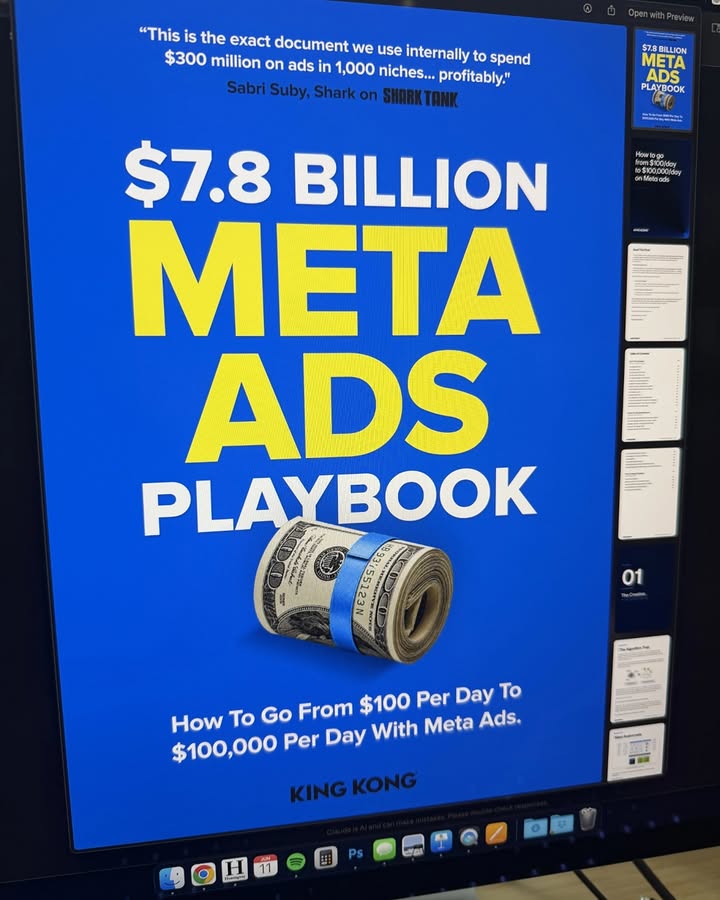
AI Edit Master Prompt
Using the attached image as the layout reference: keep the slightly angled close-up photograph of a desktop monitor displaying a document in a viewer app, with the page thumbnail sidebar running down the right edge, a dock of app icons along the bottom, and faint screen texture and glare. On the page keep a solid bright background with a short quote and attribution at the top, a very large stacked headline in bold sans-serif mixing white and a bright accent colour across three lines, a single hero object photographed in the centre, a two-line subtitle beneath it, and a small author name at the bottom. Replace the hero object with {YOUR HERO OBJECT}. Set the quote to "{A REAL CUSTOMER OR CLIENT QUOTE}" with "{THEIR NAME AND ROLE}", the headline to "{THE DOCUMENT TITLE}", the subtitle to "{WHAT IT TEACHES}", and the author line to "{YOUR BRAND}".